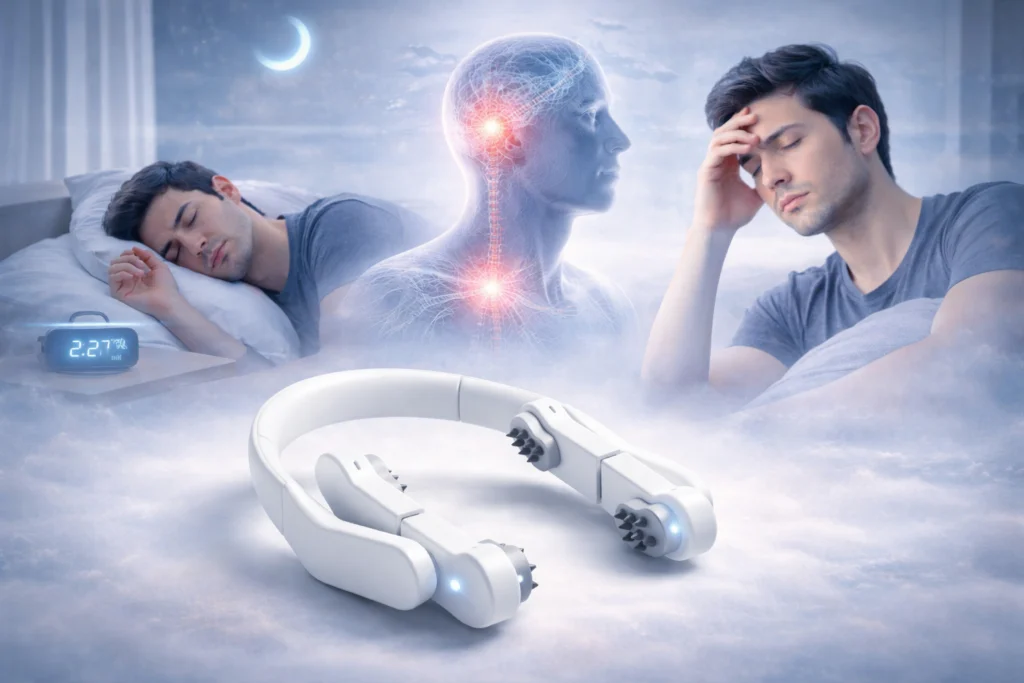
You may feel drained after a long day, yet find yourself lying awake — unable to fully relax or transition into sleep. This experience is more common than most people realize.
Why Feeling Tired Doesn’t Always Mean You’ll Fall Asleep
Sleep is not triggered by tired muscles alone. It requires the body to shift from a state of alertness into a state of safety and rest. When this transition doesn’t happen smoothly, the body may remain in a low-level “on” mode — even if you feel exhausted.
- Difficulty falling asleep despite feeling tired
- Shallow or light sleep
- Waking up frequently during the night
- Feeling unrested in the morning
The Difference Between Physical Fatigue and Sleep Readiness
Physical fatigue simply means you’ve used energy. Sleep readiness, however, depends on whether your body can “downshift” into relaxation. That downshift involves calming signals in the nervous system, comfortable breathing patterns, and reduced muscle tension.
If your system stays activated, the mind may keep scanning, thinking, or replaying the day — and the body may hold tension without you fully noticing.
How Stress and Tension Interfere With Sleep
Daily stress doesn’t disappear at bedtime. It often shows up as subtle physical tension, especially around the jaw, neck, and upper body. When these areas remain tense, the nervous system may interpret it as a reason to stay alert — delaying the body’s natural sleep process.
- Jaw clenching or tightness at night
- Neck or shoulder discomfort when lying down
- A racing or restless feeling right before sleep
Why Common Sleep Tips Don’t Always Work
Stretching, meditation, and sleep hygiene can be helpful — but they don’t address every situation. For individuals whose sleep issues are linked to persistent physical tension or nervous system imbalance, relaxation techniques alone may not be enough to signal the body that it’s safe to rest.
This doesn’t mean those methods are ineffective. It simply means sleep challenges can have different drivers, and some people benefit from a more targeted approach.
A Non-Invasive Approach to Supporting Sleep
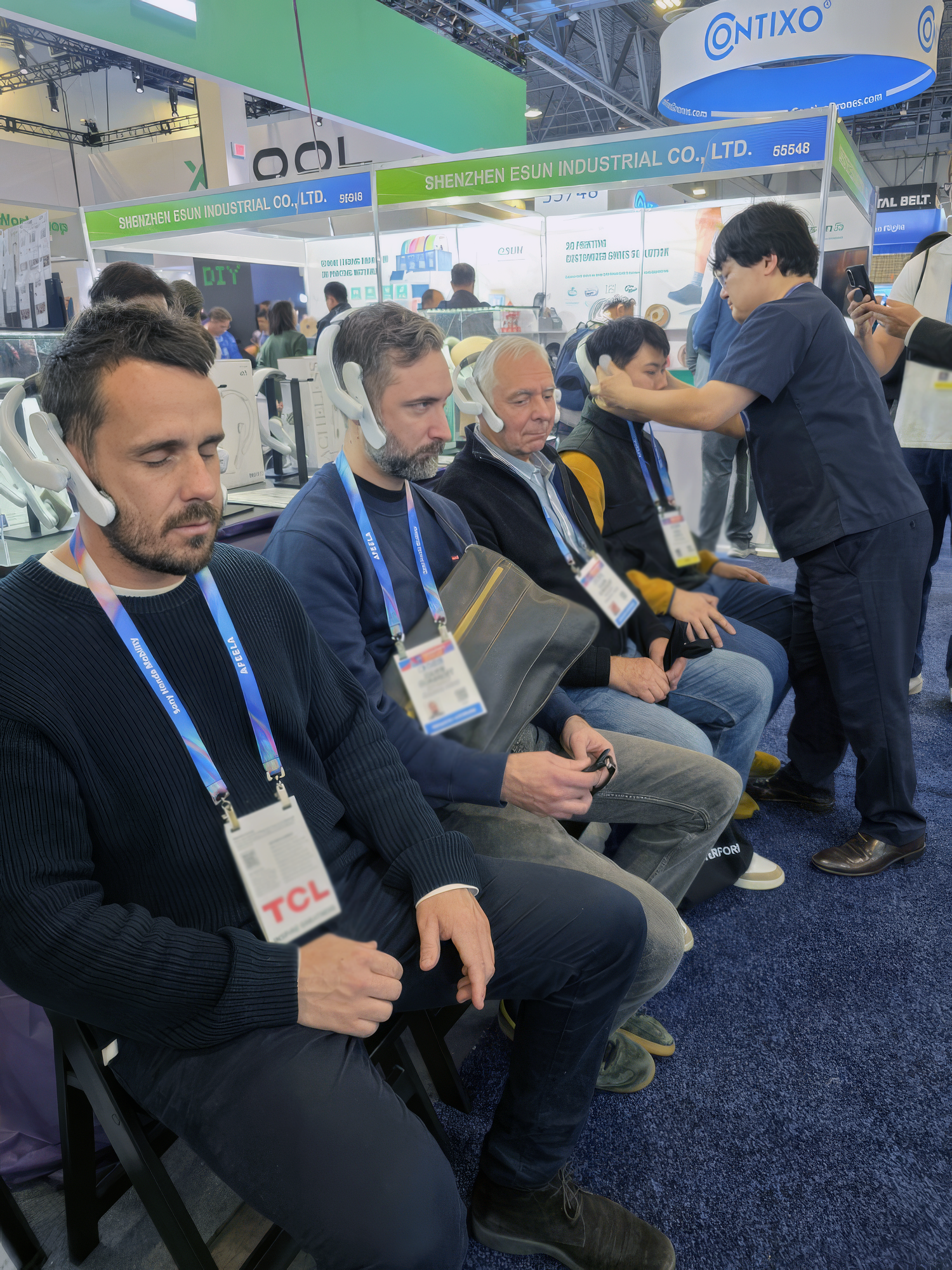
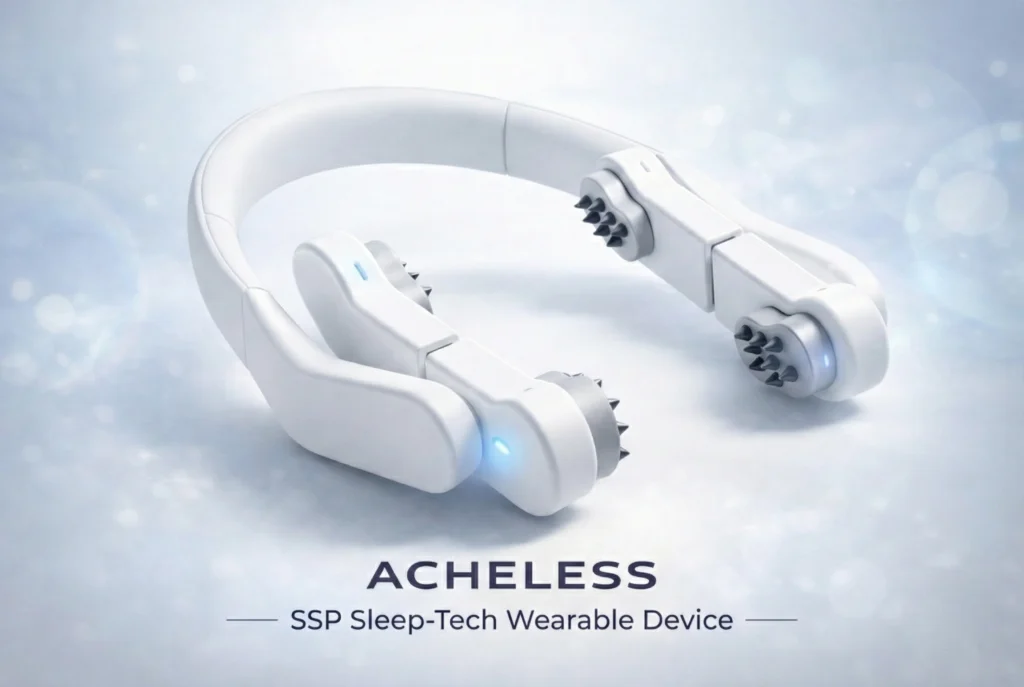
In recent years, interest has grown around non-invasive sleep technologies designed to support relaxation rather than force sleep. These approaches aim to encourage the body’s natural relaxation response, reduce localized tension that interferes with rest, and support a calmer transition into sleep without medication.
Wearable relaxation-support devices are one example of how technology is being explored as part of a broader, lifestyle-friendly sleep routine.
Who This Approach May Be Helpful For
Non-invasive sleep support may be worth considering for people who:
- Feel exhausted but still struggle to fall asleep
- Notice jaw or neck tension at night
- Prefer non-medication-based sleep solutions
- Want to improve sleep as part of a healthier bedtime routine
Individual experiences vary. If your sleep difficulties are persistent or severe, consider speaking with a qualified healthcare professional.
Final Thoughts
If you can’t fall asleep even when you’re exhausted, it may not be a lack of tiredness — but a lack of full-body relaxation. Understanding the role of tension, stress, and nervous system balance can be a meaningful first step toward more restorative sleep.
FAQ
Can stress really prevent sleep even when I’m tired?
Yes. Stress and tension can keep the nervous system alert, which makes it harder for the body to transition into sleep — even when you feel physically exhausted.
Why do I feel tense at night but not during the day?
At night, distractions fade and the body becomes more noticeable. Some people also carry tension from the day that only becomes obvious once they lie down.
Are non-invasive sleep devices safe?
Many non-invasive approaches are designed to support relaxation rather than treat medical conditions. Suitability varies by individual, so it’s best to follow product instructions and consult a professional if you have concerns.