Blog

Blog

Sleep Insights

Thoughtful perspectives on sleep challenges, tension, and non-invasive relaxation.


What We Observed at CES 2026: ACHELESS Sleep Solutions

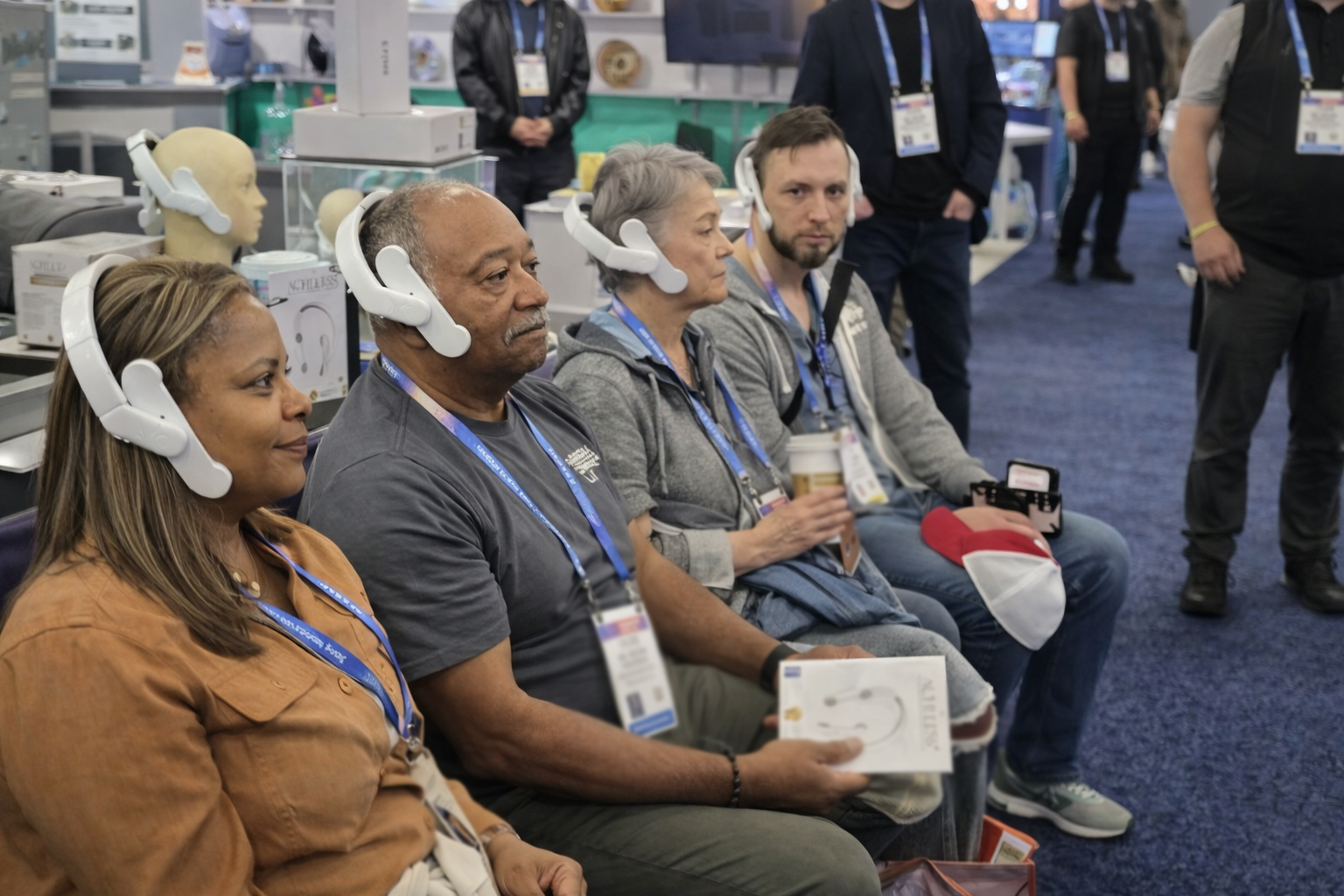
At CES 2026, the ACHELESS booth uniquely fostered a calming experience amidst a dynamic environment. Visitors naturally engaged in stillness without prompts, illustrating that effective sleep solutions should prioritize gentle preparation over direct outcomes. This observation emphasized the importance of respecting the body’s natural unwinding process in developing sleep support products.
Read More

Not Everyone Struggles With Sleep the Same Way — Understanding Different Sleep Patterns

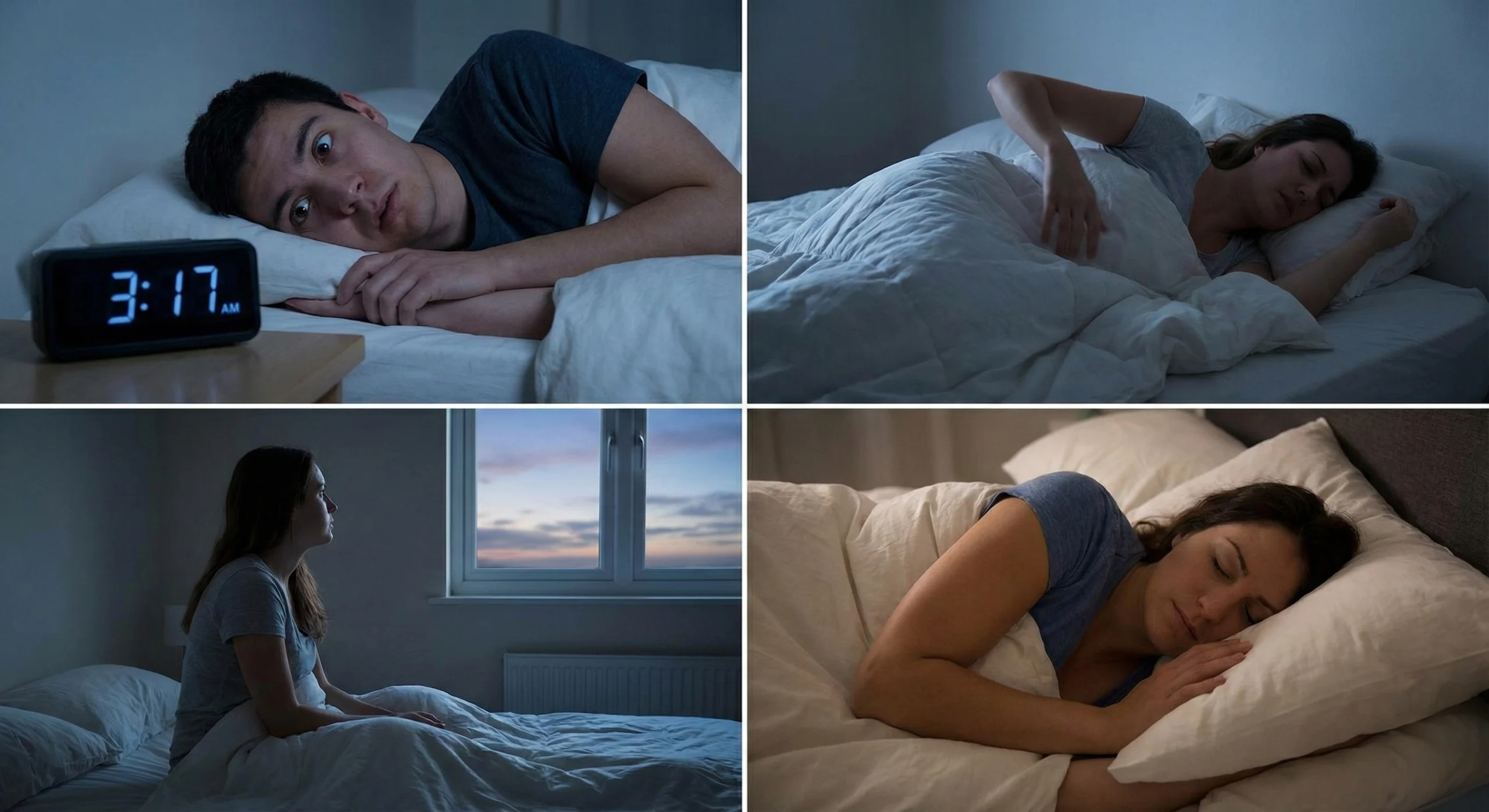
Sleep challenges vary widely among individuals, influenced by factors like nervous system sensitivity and physical tension. Understanding personal sleep patterns—such as mental fatigue, physical tension, light sleeping, or overstimulation—is crucial. Tailoring soothing approaches that align with one’s body can improve sleep quality, highlighting that difficulties aren’t personal failings but unique responses.

Read More

What Non-Invasive Sleep Support Really Means — And Why It Matters

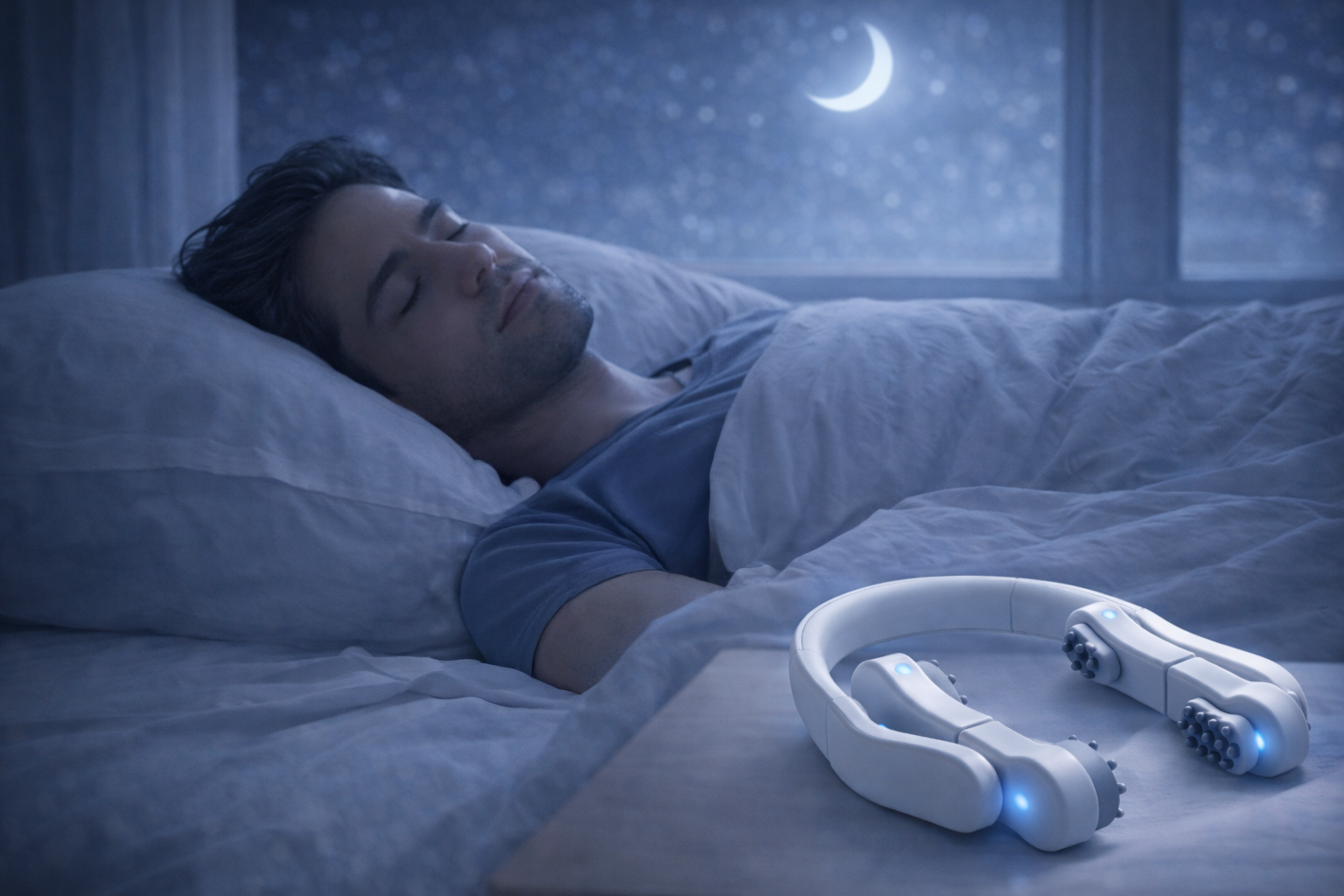
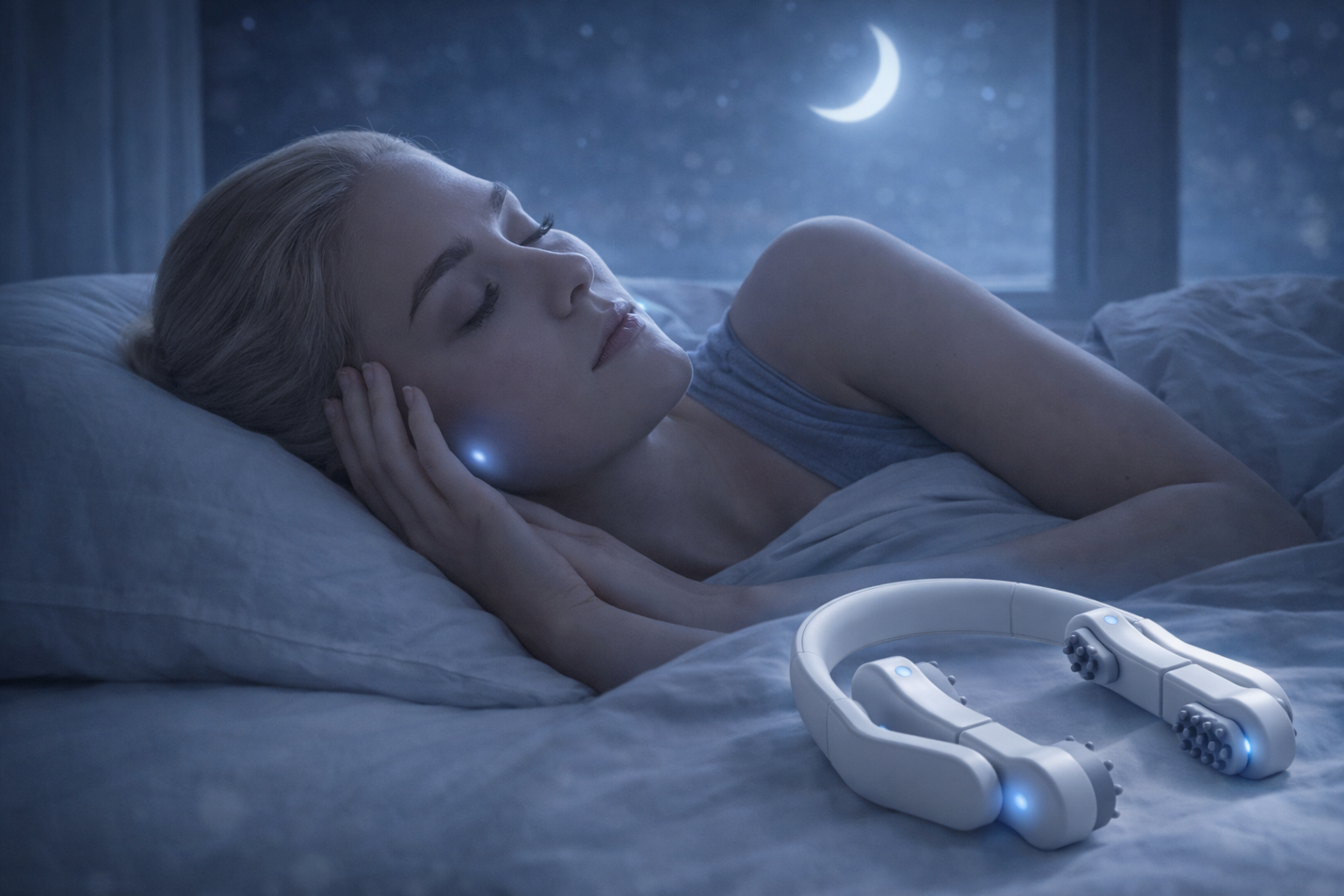
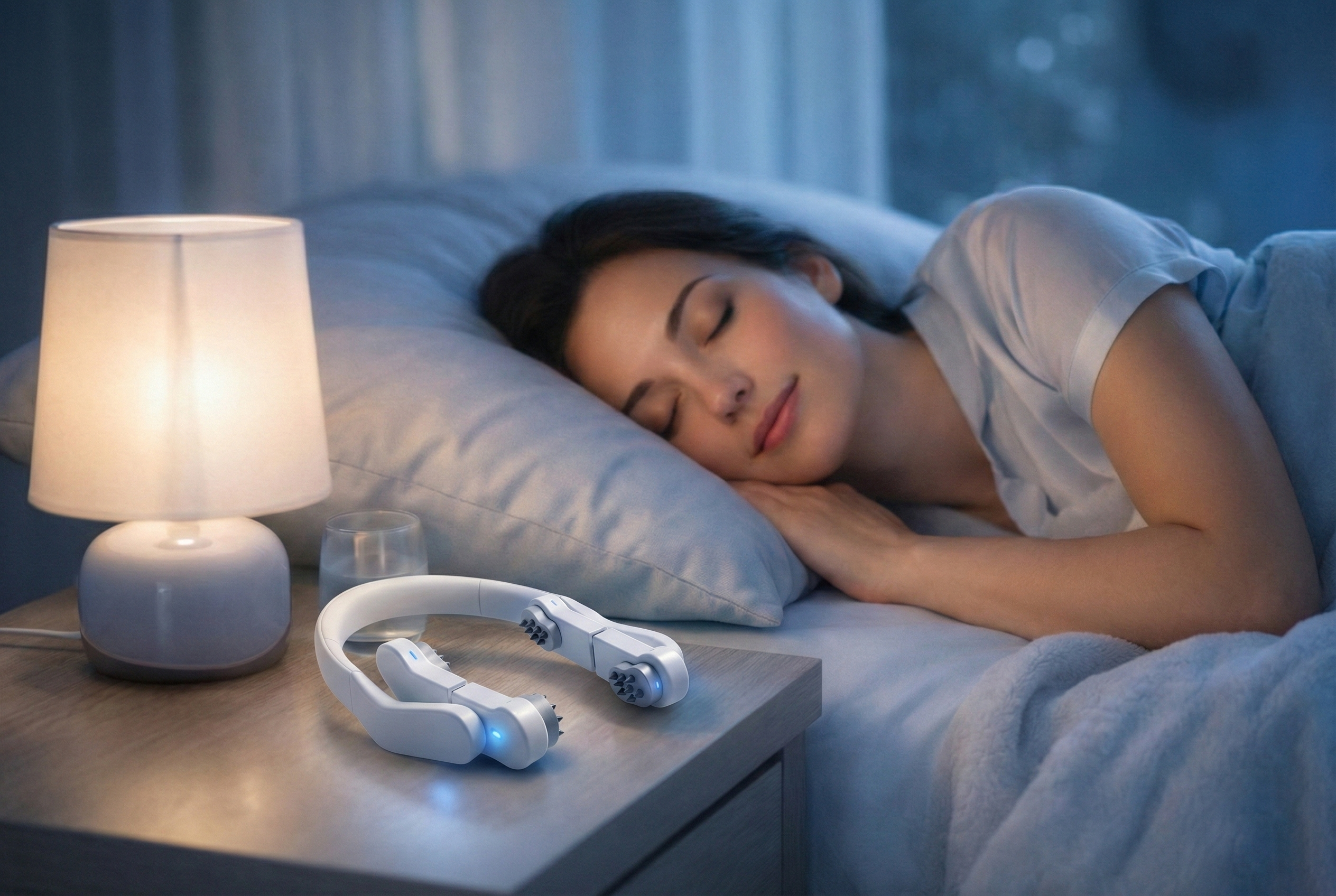
Non-invasive sleep support emphasizes aiding the body’s natural ability to sleep rather than forcing it. Unlike traditional sleep aids that sedate, this approach focuses on reducing tension and encouraging relaxation. It aims to address nervous system signaling, supporting restful sleep without disrupting natural processes. This method is particularly helpful for those preferring non-medicated solutions.

Read More

Why Forcing Sleep Often Backfires — And What the Body Actually Needs

Many struggle with sleep by trying harder, which can keep the nervous system active. True relaxation requires the body to feel safe and free of tension. Modern sleep support emphasizes cooperation with the body, using gentle, non-invasive methods rather than force. When safety is established, sleep can naturally occur.

Read More

Why Jaw and Neck Tension Gets Worse at Night — and How It Affects Sleep

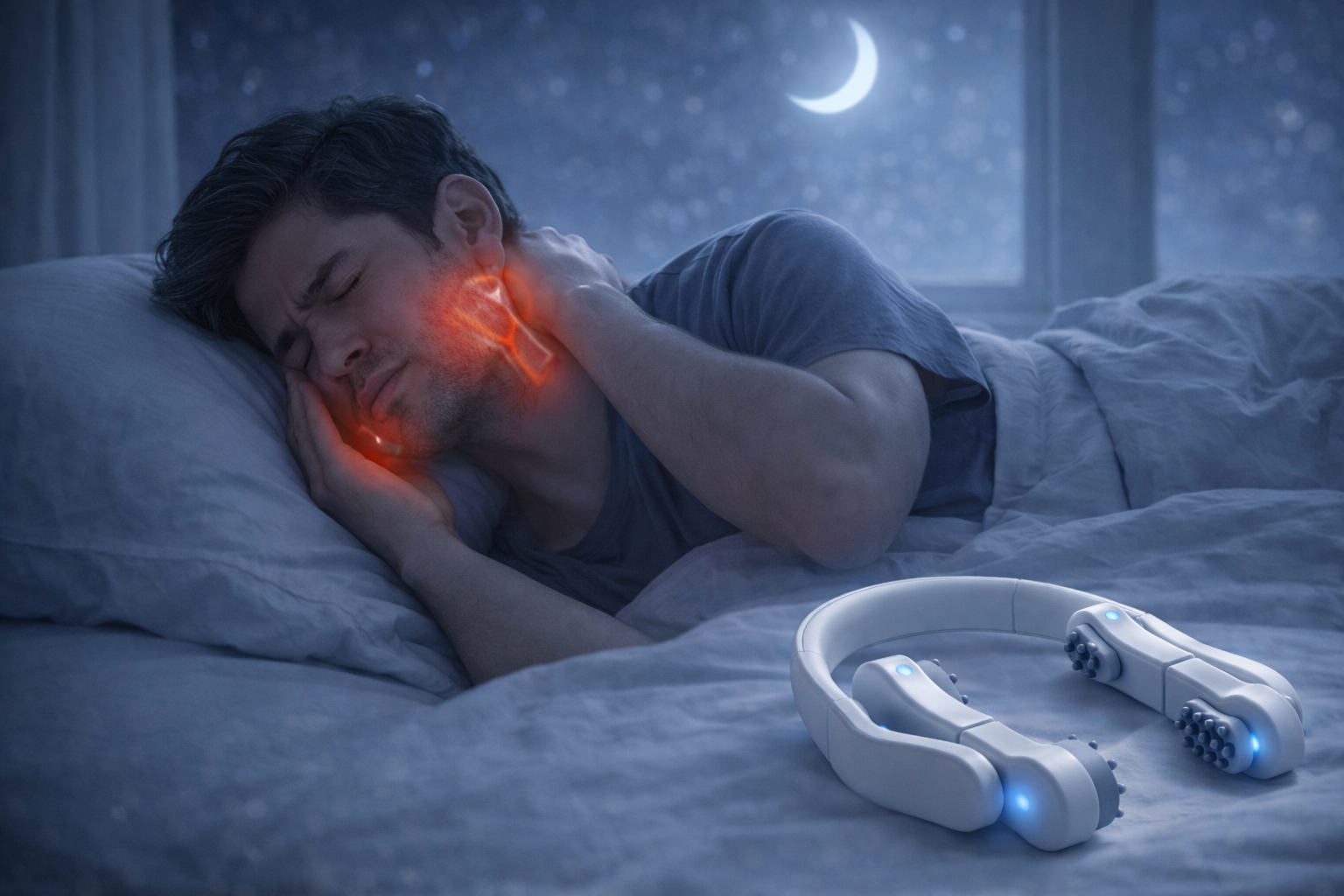
Jaw and neck tension often intensifies at night as the body’s motion and distractions decrease, revealing accumulated stress. This tension can disrupt sleep by signaling the nervous system to remain alert, causing issues like difficulty falling asleep and waking discomfort. Non-invasive relaxation techniques are recommended for managing this tension effectively.

Read More

Why Your Body Feels Tired — But Still Can’t Fully Relax at Night

Fatigue and relaxation are distinct; fatigue indicates energy depletion, while relaxation involves the nervous system feeling safe to rest. Tension can hinder sleep by keeping the body partially activated. Addressing unresolved tension is key for better sleep, and non-invasive methods to promote relaxation may offer effective support without medication.

Read More

Why You Still Can’t Fall Asleep Even When You’re Exhausted

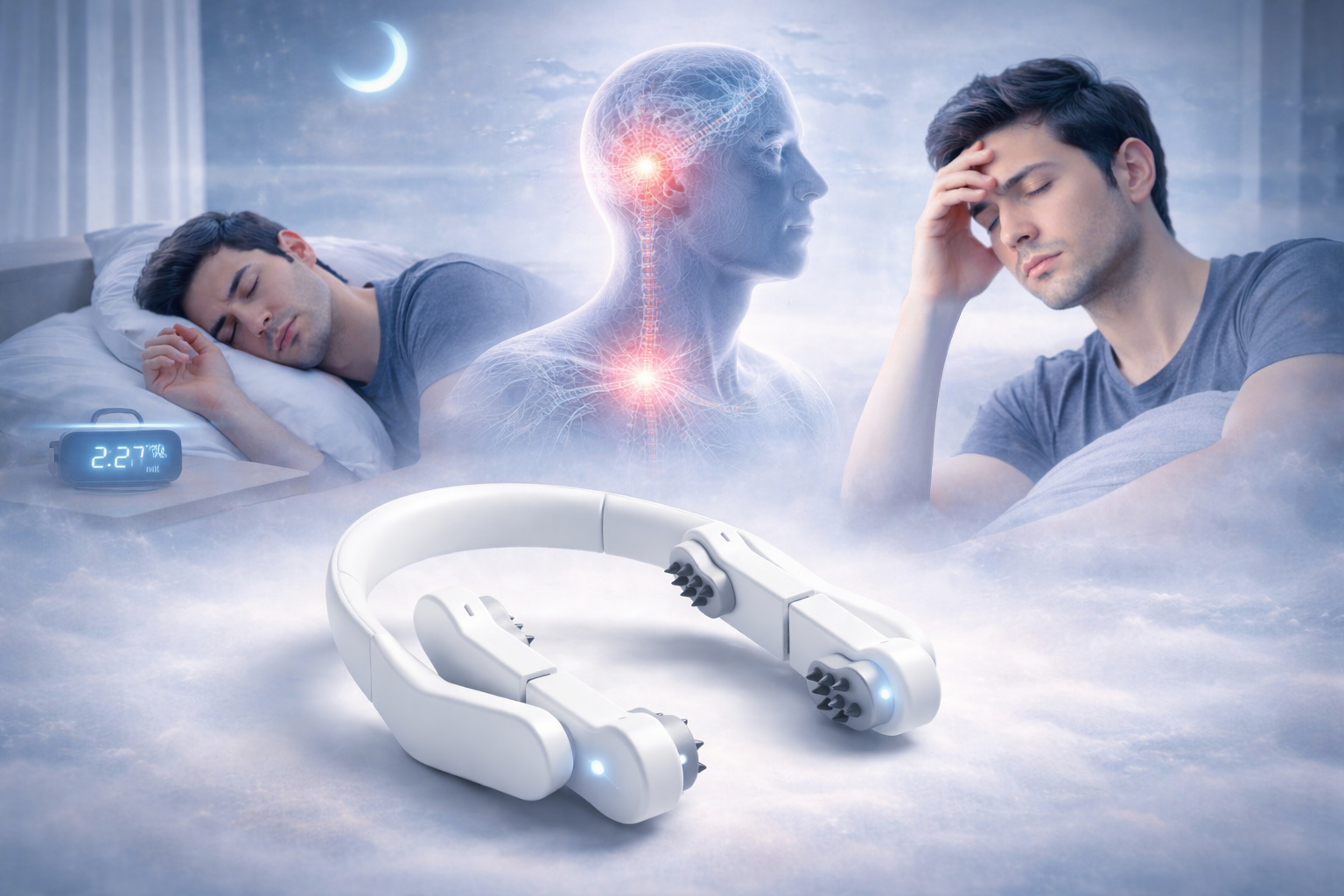
Physical tiredness does not always lead to sleep, as mental alertness and stress can prevent relaxation. While common sleep remedies may help, they might not address issues linked to physical tension or nervous system activation. Non-invasive technologies are emerging as potential aids for those seeking a calmer transition into sleep.

Read More
0