
Blog

Blog

Sleep Insights

Thoughtful perspectives on sleep challenges, tension, and non-invasive relaxation.


Who Non-Invasive Sleep Support May Be Helpful For

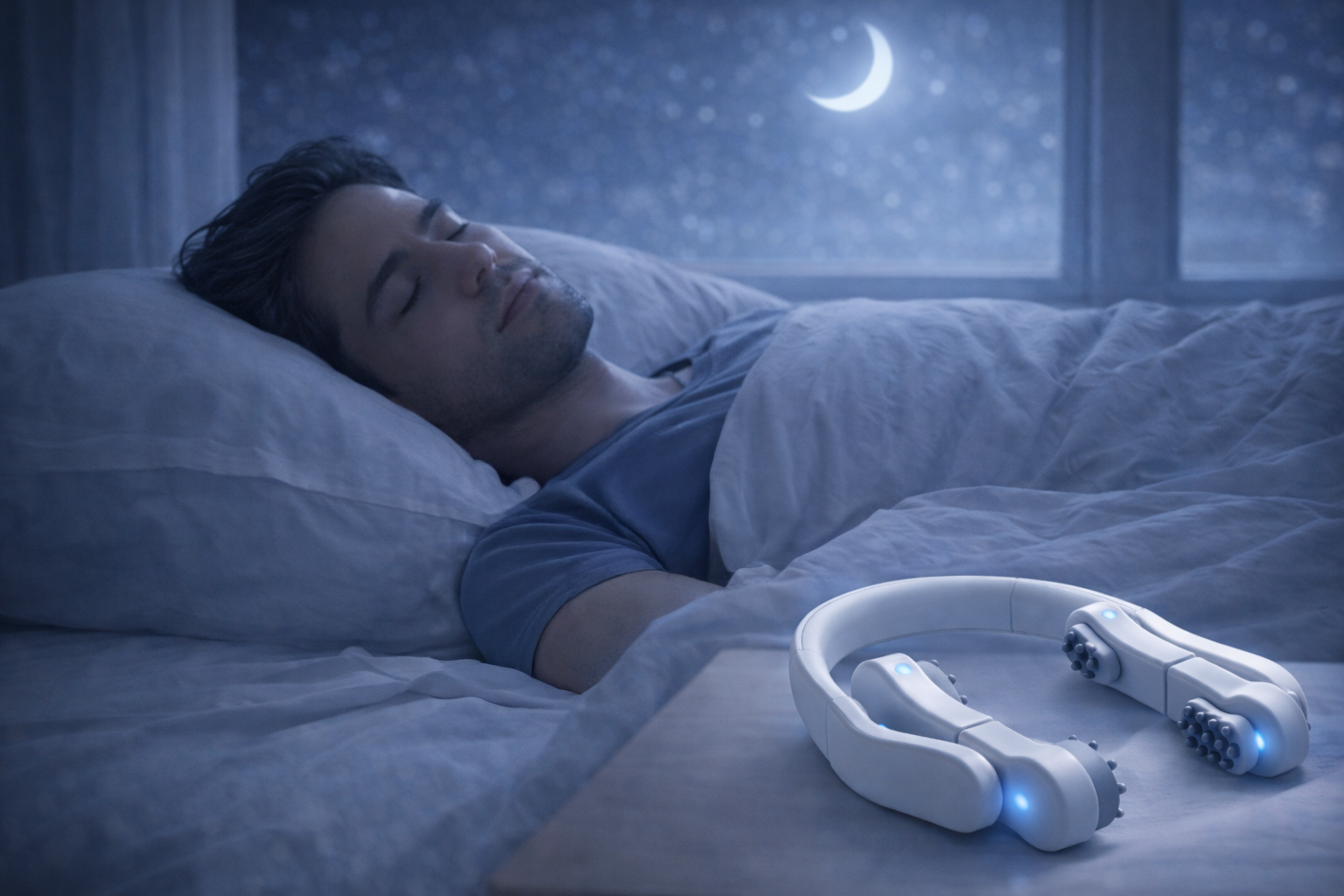
Non-invasive sleep support caters to individuals who struggle to unwind despite practicing healthy sleep habits. It helps release tension and aids nervous systems that remain alert. Ideal for those preferring gentle, non-medicated assistance, this support complements consistent routines, offering a more approachable pathway to restful sleep.
Read More

What Sleep-Tech Is — And What It Isn’t

Sleep-tech is often misunderstood; it does not force sleep but supports the transition into rest. It helps ease tension and promote calmness without medical treatment or passive distraction. Designed for those struggling to relax, sleep-tech becomes part of a nightly routine, emphasizing natural, non-invasive support rather than control.

Read More

Why Some People Need Support to Fully Wind Down at Night

Many people struggle to relax and unwind at night, as not everyone’s nervous system responds equally to rest. Some lack the innate ability to relax due to past environments filled with stress. Support and gentle cues may help those individuals transition into rest, making relaxation feel safer and more approachable.

Read More

What a Calmer Nervous System Has to Do With Better Sleep

The state of one’s nervous system is crucial for achieving quality sleep. While exhaustion might suggest readiness for rest, an alert nervous system prevents proper relaxation. Factors like modern life stressors keep the nervous system active. Supporting physical calm through routines and environments fosters a restful state, making sleep more natural.

Read More

Why Relaxation Has to Happen Before Sleep Can Begin

Many individuals expect to sleep immediately upon lying down, but frustration arises when it doesn’t happen. Relaxation, a process distinct from sleep, must precede sleep. Signals to the nervous system are crucial for relaxation, allowing sleep to follow naturally. Intentional practices that promote relaxation create a foundation for restful sleep.

Read More

How Sleep-Tech Fits Into a Real Bedtime Routine

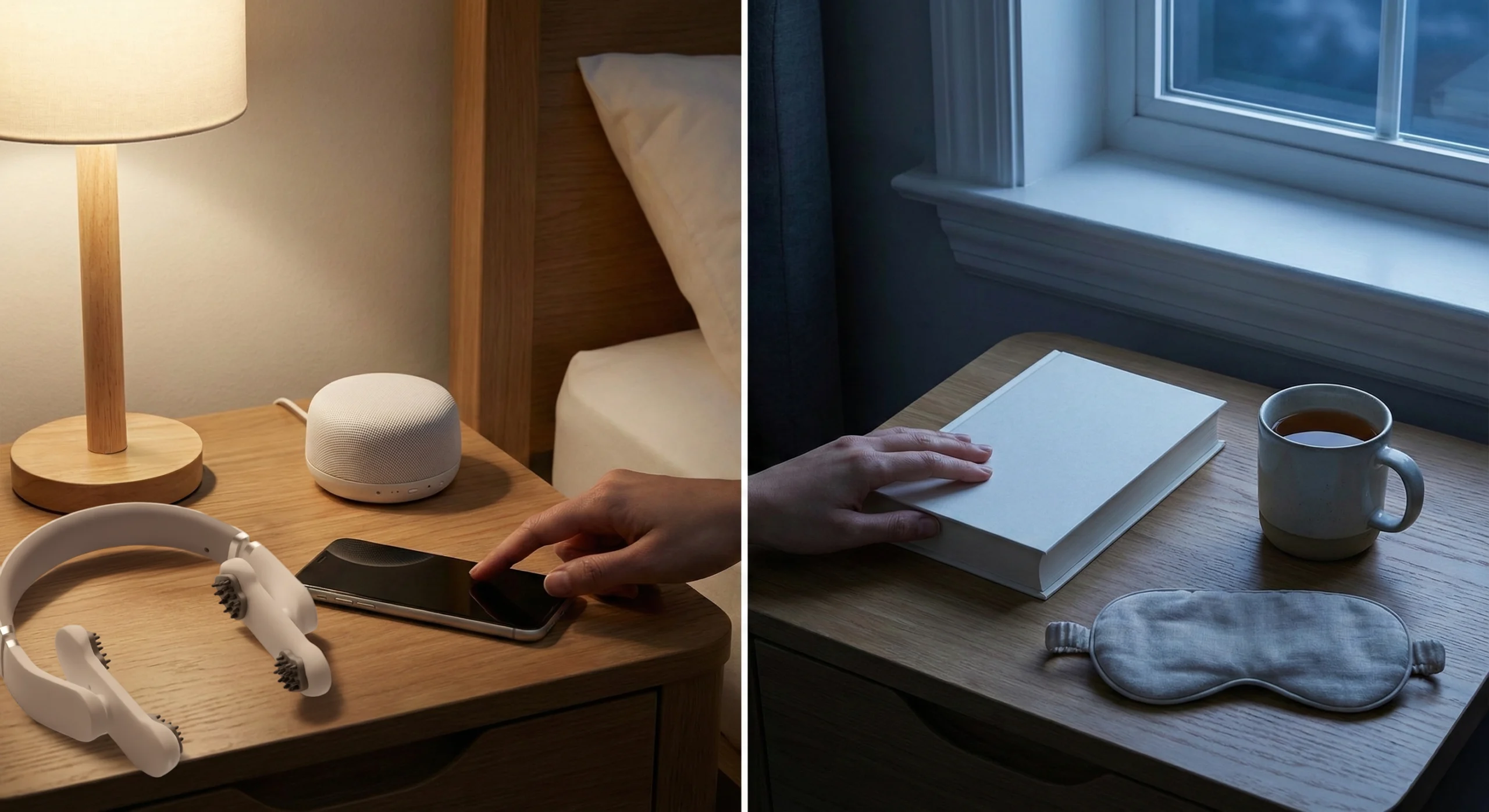
Improving sleep starts before bedtime by creating a supportive bedtime routine. Sleep-tech should enhance this routine, helping the body transition into a restful state rather than forcing sleep. The focus should be on calming activities that signal safety and reduce tension, allowing for a natural sleep process.

Read More

Not Everyone Struggles With Sleep the Same Way — Understanding Different Sleep Patterns

Sleep challenges vary widely among individuals, influenced by factors like nervous system sensitivity and physical tension. Understanding personal sleep patterns—such as mental fatigue, physical tension, light sleeping, or overstimulation—is crucial. Tailoring soothing approaches that align with one’s body can improve sleep quality, highlighting that difficulties aren’t personal failings but unique responses.

Read More

What Non-Invasive Sleep Support Really Means — And Why It Matters

Non-invasive sleep support emphasizes aiding the body’s natural ability to sleep rather than forcing it. Unlike traditional sleep aids that sedate, this approach focuses on reducing tension and encouraging relaxation. It aims to address nervous system signaling, supporting restful sleep without disrupting natural processes. This method is particularly helpful for those preferring non-medicated solutions.

Read More

Why Forcing Sleep Often Backfires — And What the Body Actually Needs

Many struggle with sleep by trying harder, which can keep the nervous system active. True relaxation requires the body to feel safe and free of tension. Modern sleep support emphasizes cooperation with the body, using gentle, non-invasive methods rather than force. When safety is established, sleep can naturally occur.

Read More

Why Jaw and Neck Tension Gets Worse at Night — and How It Affects Sleep

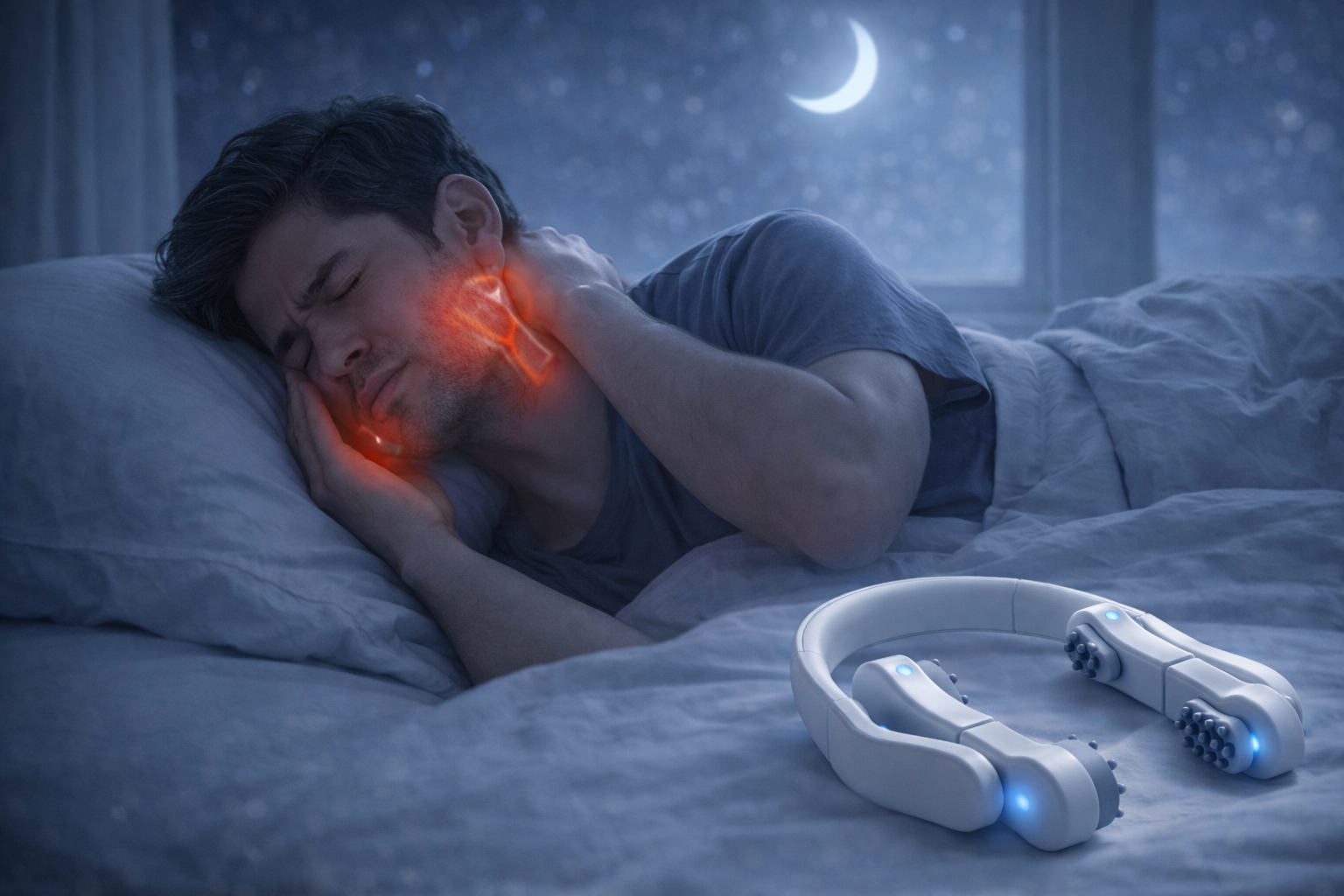
Jaw and neck tension often intensifies at night as the body’s motion and distractions decrease, revealing accumulated stress. This tension can disrupt sleep by signaling the nervous system to remain alert, causing issues like difficulty falling asleep and waking discomfort. Non-invasive relaxation techniques are recommended for managing this tension effectively.

Read More
0