THE SHORT ANSWER
Start here.
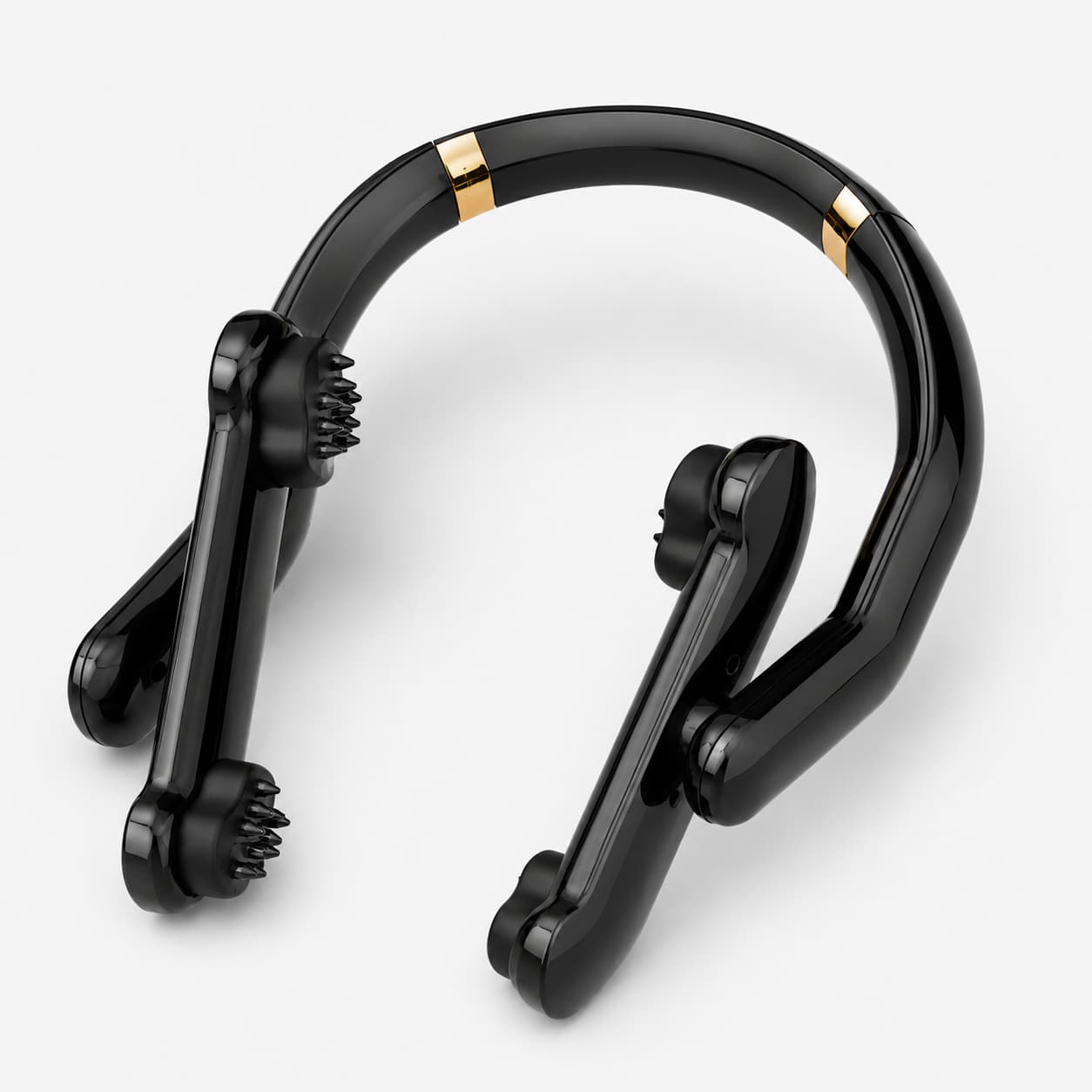
A PTBRO-associated team published a study in Polymers 18(12):1473 on June 12, 2026. The researchers investigated the structure and electrical behavior of spike-shaped conductive silicone interfaces under controlled measurements. The paper is a materials and engineering study, not a human trial of ACHELESS or evidence that the device improves sleep.
01 / DETAIL
The correct publication record
The article is “Structure–Electrical Property Relationships of Spike-Structured Conductive Silicone Interfaces for Wearable Trigeminal Microcurrent Stimulation in Electroceutical Devices,” published in Polymers, volume 18, issue 12, article 1473. Its DOI is 10.3390/polym18121473. Several authors list PTBRO Inc. as an affiliation.
An older ACHELESS blog title said the research was accepted by “Polymer” and used a journal ranking in the headline. The final publication is in Polymers. We use the journal’s correct name and published citation here, rather than an acceptance-stage or ranking claim.
02 / DETAIL
What was measured
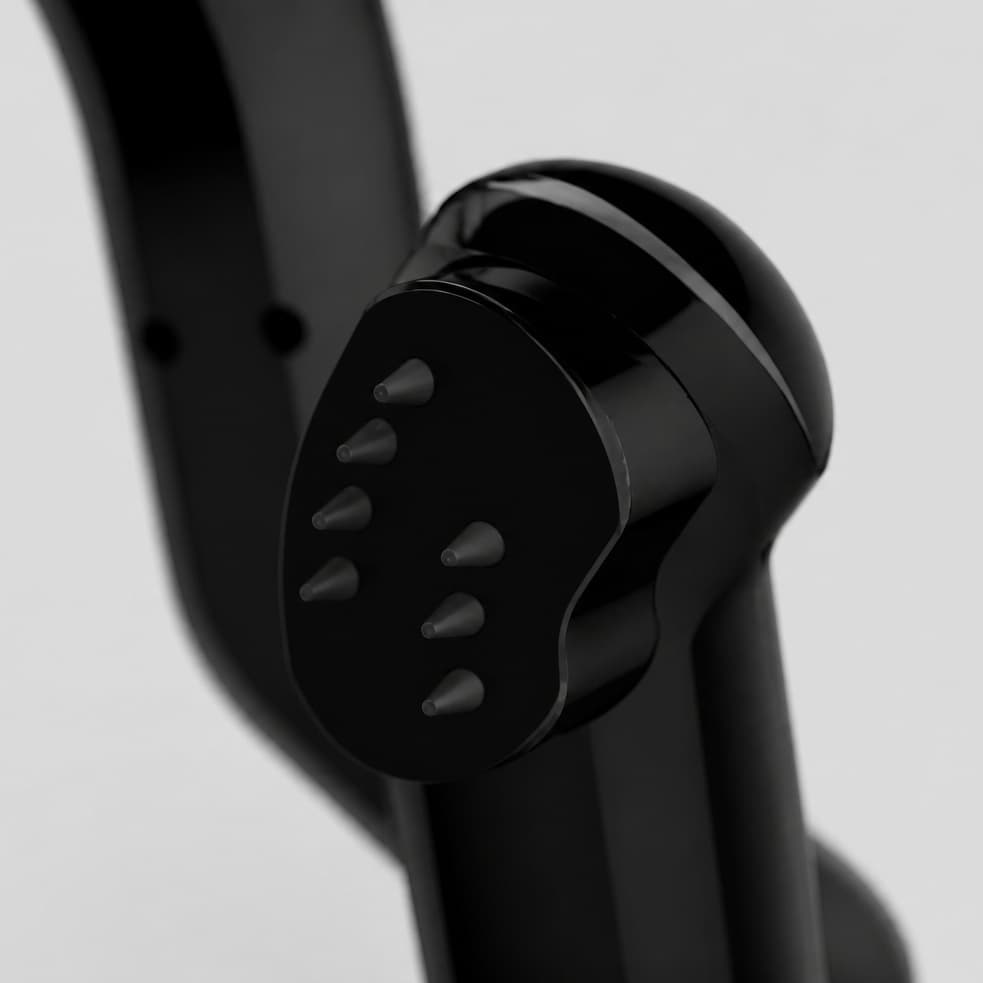
The paper examines a molded conductive silicone interface and relates spike geometry to electrical properties. It describes material preparation, electrode-level resistance, geometry-derived estimates, and transient response to an instrument-generated pulse. These are controlled engineering measurements of the interface, useful for understanding a component design.
The authors explicitly distinguish an electrode-only estimate from actual delivered current at human skin. A bench measurement cannot tell a reader what a person experiences when using a finished product.
03 / DETAIL
The evidence boundary
This publication does not test whether ACHELESS changes sleep, reduces symptoms, or treats a condition in people. It should not be cited as clinical validation, FDA clearance documentation, or proof of a finished device’s outcome. Those questions require their own appropriately designed evidence and product-specific documentation.
KEEP IN MIND
Key points
- The paper appeared in Polymers 18(12):1473, DOI 10.3390/polym18121473.
- It reports material and electrical interface measurements under controlled conditions.
- It does not establish human sleep efficacy or the performance of a finished device in use.
SOURCE NOTES
References
We link to the public guidance and research behind factual statements. Source material can change; this article was last reviewed by the ACHELESS editorial team on 2026-09-23.
For general information only. This article is not personalized medical advice or a statement of ACHELESS device indications. Read the device user guide and speak with a qualified professional about individual medical questions.