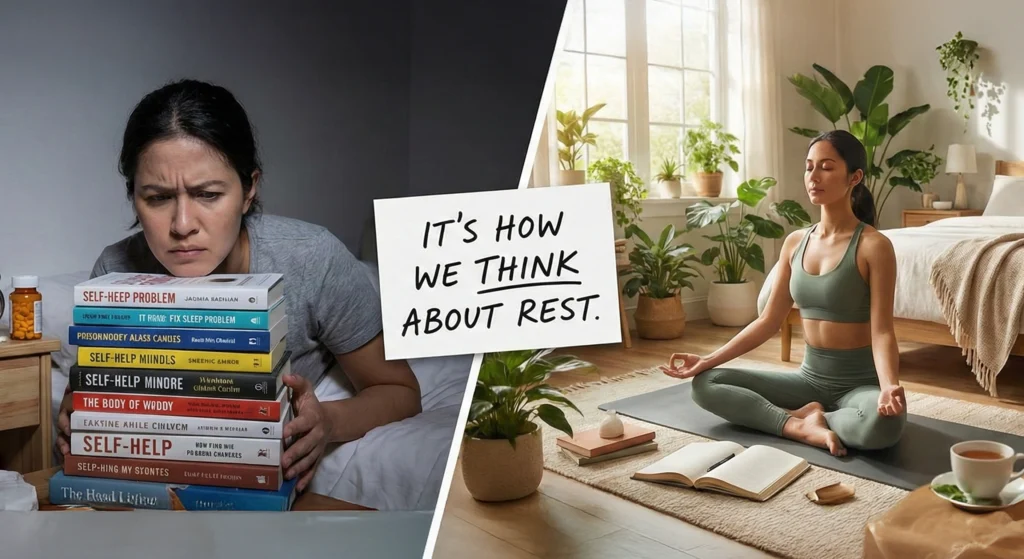
For a long time, sleep has been treated as a problem to fix.
If you can’t sleep, you look for techniques.
If that doesn’t work, you look for stronger solutions.
And when sleep improves, it often feels temporary.
But what if the issue isn’t sleep itself?
What if it’s how we think about rest and recovery as a whole?
Sleep Is Not an Isolated Event
Sleep doesn’t exist in isolation.
It is influenced by:
- how the day unfolds
- how the body carries stress
- how the nervous system transitions into calm
When rest is treated as something that only happens at night,
sleep becomes fragile.
Recovery begins long before bedtime.
Rest Is a Process, Not a Switch
Modern life encourages constant engagement.
Even in moments of quiet, the body often stays alert —
used to stimulation, responsibility, and momentum.
True rest is not about stopping activity.
It’s about changing states.
From effort to ease.
From alertness to receptivity.
Sleep is simply the deepest point of that process.
Recovery Is About Consistency, Not Intensity
Many people try to compensate for restless nights
by pushing harder during the day or forcing sleep at night.
But recovery works differently.
It responds best to:
- gentle repetition
- predictable rhythms
- supportive environments
Small, consistent signals of calm
teach the body when it’s safe to let go.
Support Belongs in Daily Life
When support is framed as a last resort,
it often feels heavy or medical.
But when support is seen as part of daily life,
it becomes lighter and more sustainable.
Non-invasive approaches —
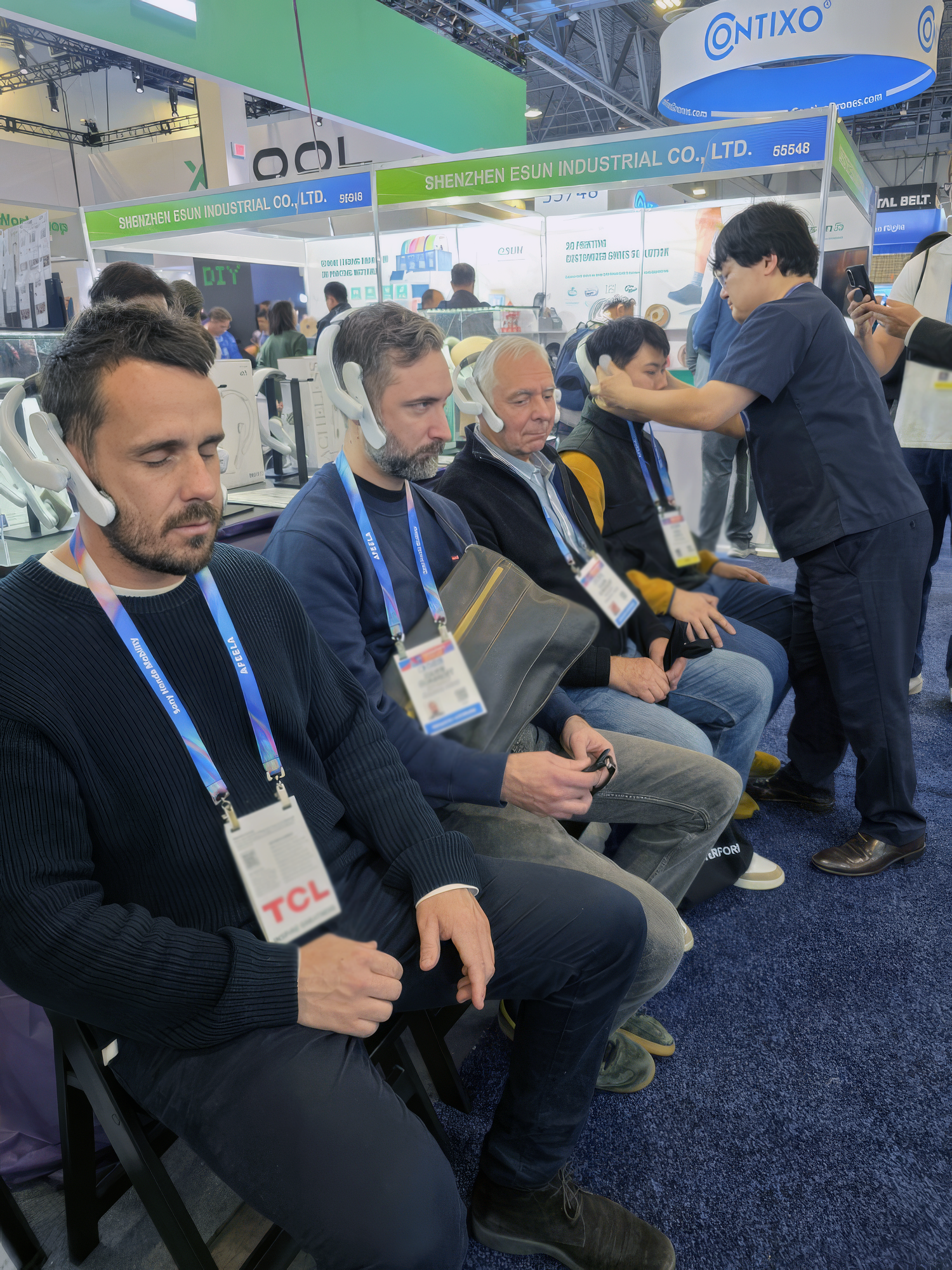
from routines to wearable support —
fit best when they blend into everyday rhythms.
Not to control rest,
but to make it easier to arrive at.
A Lifestyle View of Sleep
Seen through a lifestyle lens, sleep is not a performance.
It’s a relationship between:
- body
- environment
- rhythm
When those elements are aligned,
sleep doesn’t need to be forced.
It follows naturally.
Moving Forward With Less Effort
A new way to think about sleep
is also a new way to think about rest.
Less pressure.
Less urgency.
More trust in the body’s ability to recover
when given the right conditions.
Support, when used gently and intentionally,
is not about doing more.
It’s about allowing more.
Closing Thought
Sleep improves when rest becomes part of life —
not something chased at the end of the day.
When recovery is supported throughout the evening,
sleep no longer has to fight its way in.
It simply arrives.