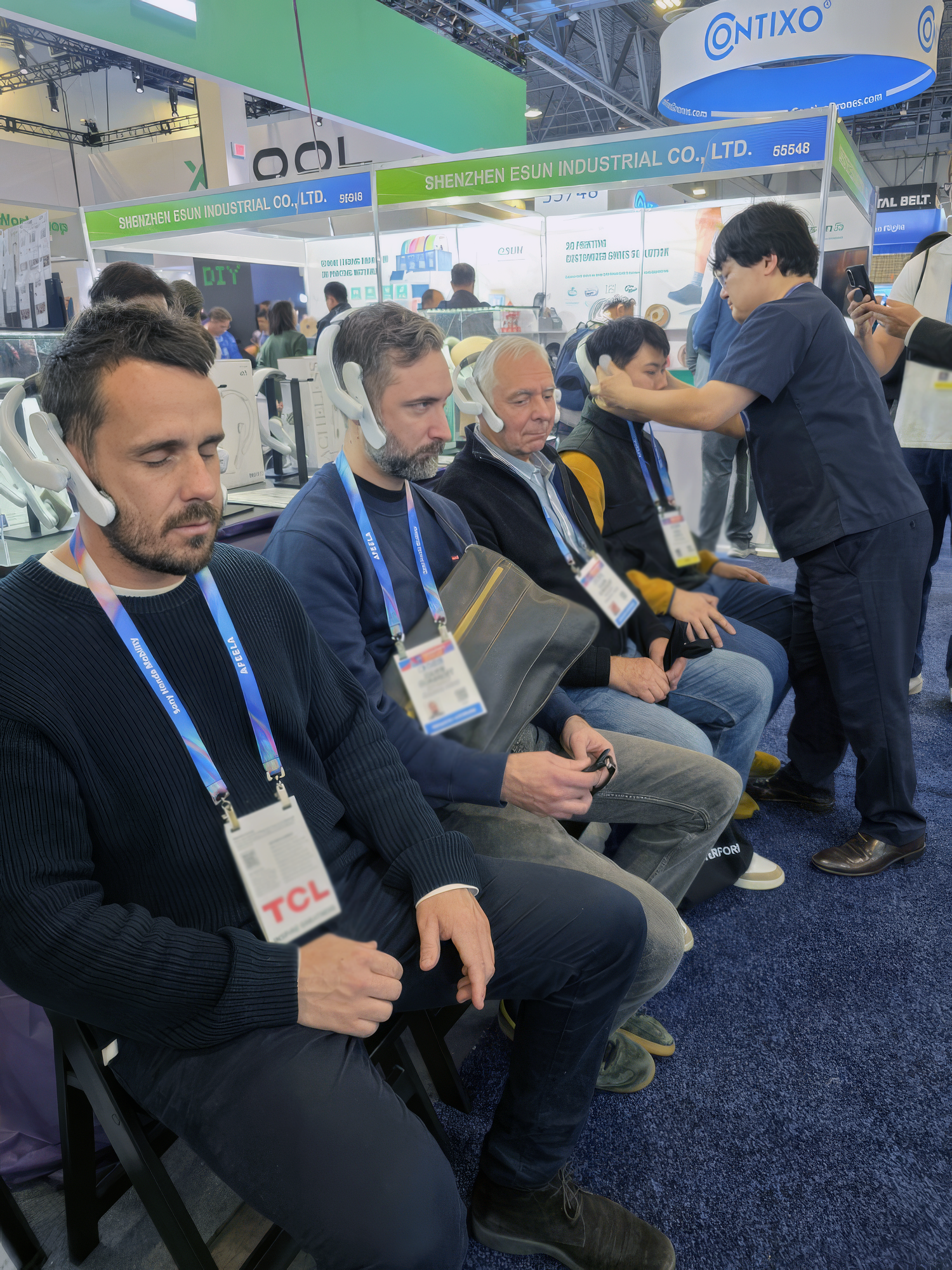

Not everyone struggles with sleep in the same way.
And not everyone needs the same kind of support to rest well.
Non-invasive sleep support exists for a specific reason —
to help people who don’t necessarily need treatment,
but still find it hard to fully unwind at night.
Understanding who this kind of support is for can make it easier
to decide whether it belongs in your routine.
When Good Habits Aren’t Quite Enough
Many people already practice healthy sleep habits:
- consistent bedtimes
- reduced screen use
- quiet, dim environments
Yet sleep still feels delayed, light, or restless.
For these individuals, the issue is often not effort or discipline.
It’s that the body doesn’t fully downshift on its own.
Non-invasive sleep support may be helpful
when routines are in place, but relaxation remains incomplete.
For Those Who Carry Tension Into the Night
Some people notice that tension becomes more noticeable at night:
- tight shoulders or neck
- jaw clenching
- shallow breathing
- a general sense of holding on
When the day quiets down, the body finally has space to be felt.
Non-invasive support can help by gently reinforcing signals of calm,
making it easier for the body to release what it’s been carrying.
For Nervous Systems That Stay Alert
Not all nervous systems unwind easily.
For people who:
- feel mentally “on” even when tired
- stay alert long after the day ends
- feel restless in stillness
support can help bridge the gap between activity and rest.
This kind of support doesn’t force calm.
It supports the conditions that allow calm to arrive naturally.
For Those Seeking Support Without Medication
Some people are not looking for medication or strong interventions.
They want:
- something gentle
- something repeatable
- something that fits into daily life
Non-invasive sleep support is designed for this space —
where rest is supported without overwhelming the body or senses.
How This Fits Into a Lifestyle Approach
Seen as part of a lifestyle, sleep support is not a solution in isolation.
It works best when paired with:
- consistent evening routines
- reduced stimulation
- intentional wind-down time
In this context, tools like wearable sleep support
can become a quiet part of a nightly ritual —
present, but not demanding.
This is where approaches like Acheless are positioned:
not as treatment, but as support for unwinding
within a modern bedtime routine.
It’s Not About Needing More — It’s About Needing Different
Needing support doesn’t mean something is wrong.
It often means the body responds better
to gentle guidance rather than force.
For the right person, non-invasive sleep support
can make rest feel less distant — and more approachable.
Closing Thought
Sleep support is not one-size-fits-all.
But for those who struggle to fully let go at night,
non-invasive options can offer a quieter, gentler way
to support the transition into rest.